
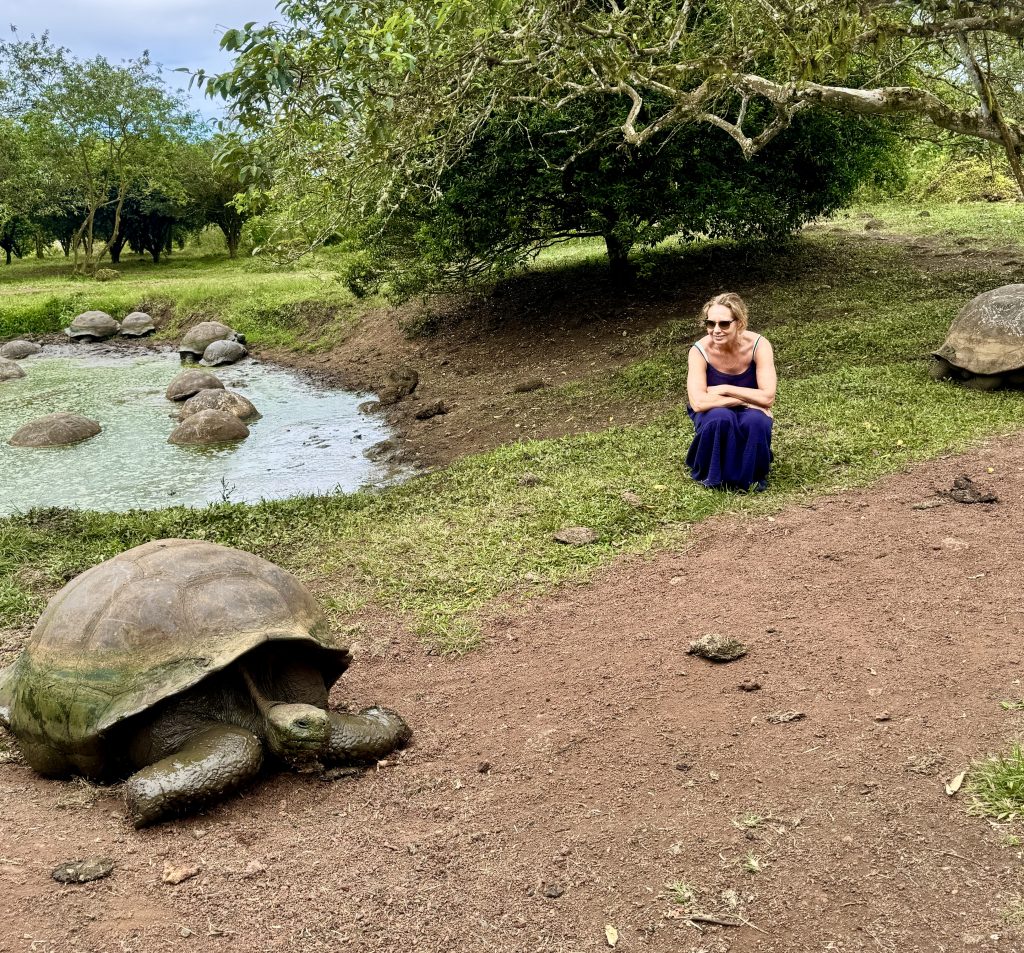
Traveling to the Galapagos Islands has always been on our bucket list, but I’m not a cruiser, and the idea of being stuck on a boat with a group for days never appealed to me. So we decided to do it solo. We planned our own Ecuador adventure and hopped between the Amazon Rainforest, Quito, and the islands of Santa Cruz, Bartolome, and Isabela. It’s not for everyone, so if guided itineraries are more your thing, skip ahead to the tours section in this article. If you’re here to learn how to visit the Galapagos Islands on your own, I’ll walk you through the nitty-gritty so you don’t have to figure it out the hard way.
Galapagos Islands: Quick Facts
Before diving into logistics, here are a few things worth knowing. The Galapagos Islands are made up of 127 islands, islets, and rocks, but only 13 are considered major islands and 6 are smaller islands. Out of those, 4 are inhabited.
- Islands: 127 total (13 major, 6 smaller, 4 inhabited).
Inhabited Islands are: Santa Cruz, San Cristóbal, Isabela, Floreana.
The other islands are protected and uninhabited, accessible only with a licensed naturalist guide through organized or private tours. - Money: United States dollars. It’s a cash-based destination, so bring plenty of small bills ($1, $5, $10, $20). ATMs are limited and unreliable.
- Climate: It’s warm year-round; however, seasons affect water clarity and wildlife.
- Language: Spanish.
- Population: ~25,000, and residency is tightly controlled.
- Park rules: Always stay 2 meters from wildlife, keep to marked paths, and do not touch or feed animals.
- Entrance fee: From Aug 1, 2024 $200 for adult foreign visitors; $30 for Ecuadorian adults.
- Internet: Spotty. Consider an eSIM if you need steady data.
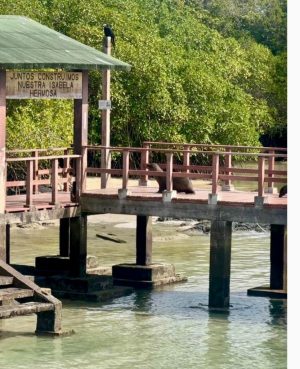
The Galapagos Islands on Your Own: Planning Your Trip
Getting There and Back
- Mainland flights: Fly to Quito (UIO) or Guayaquil (GYE) first.
- Into the islands: Book to Baltra/Santa Cruz (GPS) or San Cristóbal (SCY) with LATAM or Avianca.
- Smart routing: Do an open-jaw if you can, like into SCY and out of GPS, so you don’t backtrack.
Before you board: Before you fly to the Galapagos, you’ll need to purchase the Galapagos Transit Control Card (TCT), which all travelers are required to have. It’s an official document that helps Ecuador monitor tourism and protect the islands’ fragile ecosystems. The card costs $20 per person and is easiest to get online in advance through the Galapagos government website. Just fill in your details, pay, and save the QR code to show at the airport. Before boarding your flight, you’ll go through a quick biosecurity check, where officials screen luggage to prevent non-native plants or seeds from entering the islands. Keep your TCT QR code and passport handy during this process.

On arrival: All visitors to the Galapagos Islands are required to pay a Galapagos National Park entrance fee upon arrival. This fee supports conservation and local community projects that protect the unique wildlife and environment. The cost varies by age and nationality, and most foreign visitors aged 12 and older pay $200, while children under 12 pay $100. The fee is collected in cash at the airport when you enter the Galapagos, so make sure you have this handy.
Leaving Santa Cruz: Remember, the airport is in Baltra. You’ll take a short canal ferry and a bus/taxi to the terminal, so be sure to allow enough time to make your flight.
Cash and Cards on the Galapagos Islands
Plan for the Galapagos to be cash-first. Bring plenty of small USD bills ($1, $5, $10, $20) for park fees; the TCT card, ferries, taxis, snacks, and tips. ATMs exist, but they’re limited and sometimes down, and many tour desks add card surcharges or require a minimum spend. I kept cash split across a few places, and asked about fees before paying by card.
How many days should you spend in the Galapagos?
If you’re planning to visit the Galapagos Islands on your own, aim for 7–10 days if time allows. That gives you time to settle in, book a few day tours, and still enjoy slow mornings with the sea lions. If you have fewer days, pick two or three islands to focus on, so you’re not living on ferries.
Home Base
There are three main populated islands that you can call home base for your trip:
-
Santa Cruz: This is the best hub for day tours and transfers. Easy access to Bartolomé and North Seymour, plus Tortuga Bay and the Charles Darwin Research Station.
-
Isabela: Quiet and beachy with top snorkeling. Don’t miss Concha de Perla and Los Túneles; bike the Wall of Tears trail.
-
San Cristóbal: Sea lions everywhere, good viewpoints, and a laid-back town. Hit La Lobería, Tijeretas, and nearby snorkeling spots.

If you want maximum tours and transport options, choose Santa Cruz. If water time and snorkeling are the goal, select Isabela. But if you’re looking for a local town vibe and want sea lions at your doorstep, make San Cristóbal your home base.
Moving Around The Galapagos Islands
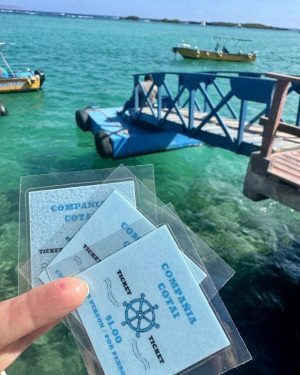
Inter-island ferries connect Santa Cruz, Isabela, San Cristóbal, and Floreana, and they’re the backbone of how to visit the Galapagos Islands on your own. Plan on 2 to 2.5 hours per crossing and about $30–$40 per person each way. Seats can sell out in high season, so book ahead through your hotel or online. The ocean can get choppy, so bring seasickness tablets, sit toward the back, and keep a light jacket handy for any spray.
Visit the Galapagos Islands on Your Own: What You Can Do Solo
You can see a lot in the Galapagos without a guide if you stick to the inhabited islands. Think easy walks, calm snorkeling spots, and wildlife that is right there in front of you. Use town taxis, bikes, or your own two feet, and save your tour budget for the protected islands.
Santa Cruz
- Tortuga Bay: Walk the paved trail from Puerto Ayora to a long white-sand beach. Great for swimming and photos.
- Charles Darwin Research Station: Learn about conservation and see tortoises up close.
- El Chato Tortoise Reserve: Taxi to the highlands to see giant tortoises in the wild.
- Lava tunnels: Short self-guided walk through cooled lava tubes near the highlands.


Isabela
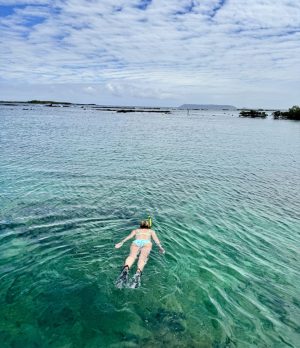
- Concha de Perla: Free boardwalk to a protected cove. Bring your mask for easy snorkeling with rays and turtles.
- Wall of Tears: Rent bikes in town and ride the coastal path, stopping at small beaches and viewpoints.
- Flamingo Lagoon: Quick stop near town for birds at sunset.
- Tortoise breeding center: Short walk or bike ride from the main street.

San Cristóbal
- La Lobería: Beach with sea lions. Good for a relaxed swim and shore snorkeling.
- Tijeretas Hill: Marked trail to a viewpoint with frigatebirds and a small cove for a dip.
- Interpretation Center: Clear exhibits on geology, wildlife, and human history.
Bartholome
- Pinnacle Rock: The island’s iconic viewpoint. Climb the wooden steps for incredible views
- Sullivan Bay: Lava fields and quiet beaches formed by recent eruptions.
- Snorkeling Beach: Clear water where you’ll often see penguins, reef fish, rays, and white-tip sharks.

Floreana
- Black Beach: Low-key swim spot a short walk from the pier.
- In-town trails: Simple paths for a slow day trip vibe.

Tips for Visiting the Galapagos Islands on Your Own
- Start each day early to beat the heat and crowds.
- Carry cash in small bills for taxis and snacks.
- Pack reef-safe sunscreen, water, and a rash guard for shore snorkeling.
- Follow park rules: Keep 2 meters from wildlife, stay on marked paths, no touching or feeding animals, and pack out your trash. These rules are enforced, and they protect the beautiful place you came to see.
Save your licensed guide budget for the uninhabited islands. For everything above, you can show up, rent a bike, or grab a taxi, and go at your own pace.

Official Naturalist Guides
Some of the best wildlife spots are in protected areas, and you can’t visit them by yourself. For the uninhabited islands and most National Parks, you need a licensed naturalist guide on a guided day tour. Book in advance for favorites like Bartolomé, North Seymour, Santa Cruz, Isabela, and Floreana. Tours include boat transport, a guide, and usually snorkeling gear, so you can focus on the good stuff: getting in the water and spotting wildlife. Paying ahead saves your cash on the islands and avoids card surcharges.
The Best Time to Visit the Galapagos Islands
The Galapagos Islands are a year-round destination, but the experience shifts with the seasons. From December to May, the seas are calmer, the water is warmer, and you can snorkel easily with clear water. From June to November, the water gets colder, the currents get stronger, and the marine life gets bigger and bolder. This is best for divers who want to see whale sharks and hammerhead sharks in groups. When deciding to visit the Galápagos Islands on your own, choose your window based on how you want to spend your time on the islands.
Day Tours Worth Booking Early
- Bartolomé: One of the most photographed Galapagos islands, with incredible views and Galapagos penguins
- North Seymour: frigatebirds and blue-footed boobies
- Santa Fé / South Plaza: land iguanas and strong snorkeling
- Los Túneles (Isabela): lava tunnels and top-tier snorkeling

Galapagos Island Hopping: 4-, 5-, and 6-Day Tours
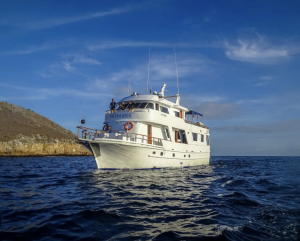
Now that you’ve read how to visit the Galapagos Islands on your own, you might be thinking – heck no, I prefer to let someone else handle the logistics! And that’s where organized Galápagos tours come in. These cruises and island-hopping packages take care of hotels, guides, and transfers so you don’t have to juggle ferry schedules or cash payments. Many love sleeping on the boat and traveling at night, waking up anchored off a new island each morning. It’s efficient as you move while you rest, and it’s a great way to see the more remote, protected islands that independent travelers can’t reach. If you like a clear itinerary, meals included, and minimal planning, a set tour or cruise might suit you better than the DIY route. These island-hopping packages include hotels, guides, and transfers so you can relax:
Conscious Travel in the Galapagos Islands
Traveling around the Galapagos Islands is a privilege, and it comes with a responsibility. Choose operators licensed by the Galapagos National Park, prioritize companies that hire local guides and crews, skip single-use plastics, and follow the rules that protect wildlife and habitats. This isn’t just a trip; you’ll be spending time in a living ecosystem where your choices matter. If you plan well and travel thoughtfully, you’ll get the best of both worlds: freedom to explore and the peace that comes from doing it right. Float beside a sea turtle, watch a giant tortoise own the trail, and let the place recalibrate you. It takes effort, boats, cash, sunscreen, and patience, but it’s worth every step. Once you’ve been, finding anything that compares is tough.

**Some articles may include affiliate links. If you choose to purchase through them, it helps support my work at no extra cost to you. I only share things I genuinely use and love.**
My Ecuador Travel Guide: Quito, the Amazon, and the Galápagos
We spent 48 hours in Quito, then traveled deep into the Amazon, and finished in the Galápagos. This guide pulls it all together; it’s clear, practical, and based on how we actually did the trip. I cover how to move between regions, when to book tours, what’s worth planning ahead, and where flexibility helps. You’ll find straightforward advice on routes, cash, packing, and timing, plus what to expect in each place without overcomplicating it. If you’re planning to visit Ecuador and want to feel prepared before you arrive, this series is meant to help you do exactly that.
-
- My Ecuador Travel Guide: From the Galapagos to the Amazon
- Ultimate Packing List for the Amazon Rainforest in Ecuador
- Complete Guide to Visiting the Amazon Rainforest in Ecuador
- 48 Hours in Quito, Ecuador
- Our Stay at Gaia Amazon Eco-Lodge: Ecuadorian Amazon Rainforest Adventure
- Complete Galapagos Islands Packing List and Travel Tips
- How to Visit the Galapagos Islands on Your Own
- How to Decide Which Galapagos Islands to Visit?
- Santa Cruz Highlands Tour on Your Own: Insider Tips for a Perfect Day Trip
- Isabela Island, Galapagos: All You Need to Know Before You Go
- Santa Cruz Island, Galapagos: All You Need to Know Before You Go
- How to Visit Bartolome Island from Santa Cruz
- How to Visit North Seymour Island from Santa Cruz
Do you have tips for how to visit the Galapagos Islands on your own?
Let me know in the comments below, and join me on Instagram and TikTok!
*** This article was sponsored, but all opinions are my own ***


This is such a helpful guide. Samantha. We just got back from Galápagos ourselves. When we were planning it, one thing we almost completely missed was Sierra Negra volcano on Isabela island.
Everyone talks about hiking the full 16 km around the caldera, and honestly… that had us a little scared with our 8 and 10 year old. It just felt like a lot.
We ended up going up on horseback instead, which is an option not many people seem to know about (I think it’s relatively new compared to the classic hike). It was one of the best decisions of our trip.
Riding through the highlands and along the rim gave us this incredible perspective of the volcano and the massive caldera. The kids were thrilled, and we still got off and walked part of it without completely exhausting everyone.
We rode with Galloping Galapagos on Isabela and our guide Claudia was fantastic and an absolute hoot. It felt safe, relaxed, and really special.
Just sharing in case another family is feeling intimidated by the 16 km hike like we were.
ahhhh thank you for these added tips Elisa! It sounds as thougb you had a wonderful time!